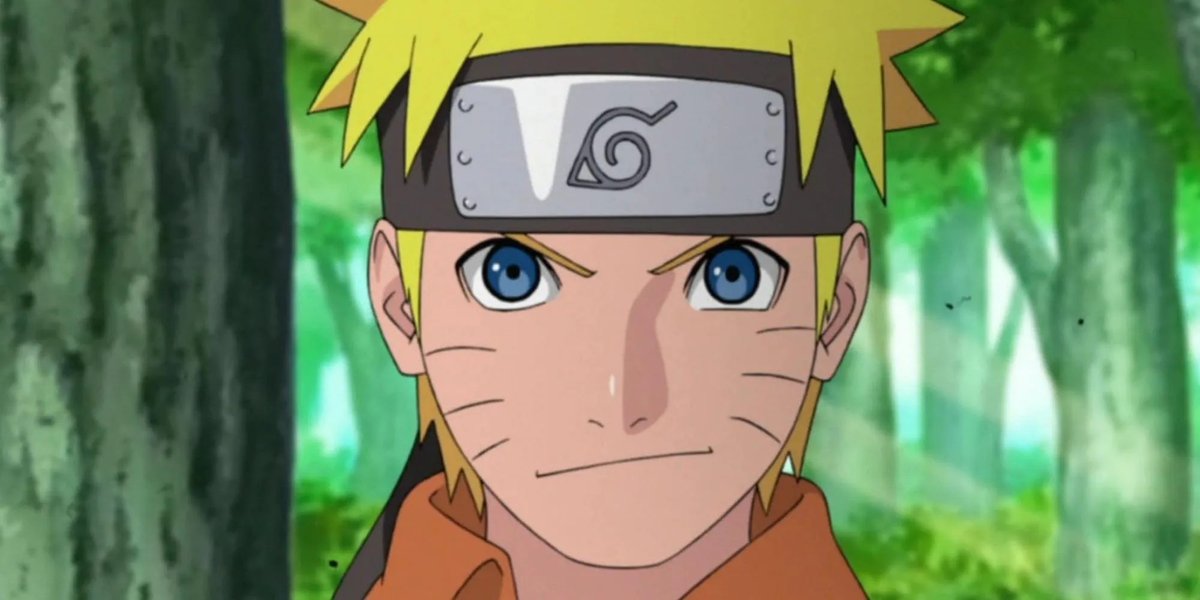
The clang of steel, the flash of energy, the roar of the crowd – few spectacles captivate shonen fans quite like a good old-fashioned tournament arc. These aren't just arenas for power levels to clash; they're crucibles where heroes are forged, rivalries ignite, and the very fabric of a series can be redefined. Today, we're diving deep into two titans of the genre, exploring how Yu Yu Hakusho's legendary Dark Tournament and Naruto's iconic Chūnin Exams serve as blueprints for character, conflict, and sheer excitement.
Imagine "Naruto Uzumaki in Yu Yu Hakusho" not as a literal crossover, but as a thematic lens. What can we learn about the DNA of these two powerhouse series by dissecting their most celebrated competitive arcs? From the brutal, life-or-death struggles of demons to the coming-of-age trials of young ninja, these tournaments offer a masterclass in shonen storytelling.
The Enduring Allure of Shonen Tournament Arcs
Why do we keep coming back to tournament arcs? Perhaps it's the clear stakes, the promise of new techniques, or the thrill of seeing beloved characters pushed to their absolute limits. In a world where anything can happen, a tournament provides a structured chaos, a defined path through which heroes must prove their worth. It's a fundamental storytelling device that allows for rapid character introduction, intense combat, and monumental narrative shifts, all within a focused timeframe.
These arcs often serve as pivotal turning points, introducing us to new allies and terrifying adversaries, forcing protagonists to evolve or face certain defeat. The format itself is a challenge, not just for the characters, but for the creators to maintain suspense and deliver satisfying conclusions, even when the "winner" isn't always the point.
Yu Yu Hakusho's Dark Tournament: A Blueprint for Brutality and Growth
When Yoshihiro Togashi's Yu Yu Hakusho hit the scene in the early 90s, it rapidly carved out its place as a shonen classic. The series, inspired by occult lore, horror films, and Buddhist mythology, initially started as occult detective fiction before expertly transitioning into a martial arts powerhouse. Its anime adaptation, running for 112 episodes, further solidified its legacy, spawning films, OVAs, video games, and even a recent live-action series.
At the heart of Yu Yu Hakusho's enduring appeal lies the "Dark Tournament" (Ankoku Bujutsukai), a barbaric spectacle orchestrated by corrupt wealthy humans. This wasn't just a sport; it was a deadly contest where teams of demons, and a few brave humans, fought to the death for any wish they desired. Yusuke Urameshi, the delinquent-turned-Underworld Detective, found himself thrust into this crucible alongside his fiercely loyal team: the hot-headed Kazuma Kuwabara, the cunning fox-demon Kurama, the enigmatic demon Hiei, and the legendary martial arts master Genkai (in disguise). If you're ready to delve deeper into the brutal mechanics and iconic battles of the Dark Tournament, you'll find a world of unparalleled shonen intensity.
The Dark Tournament was straightforward yet relentless. Multiple rounds of team battles against increasingly monstrous opponents pushed Team Urameshi to their physical and spiritual breaking points. The stakes were astronomical, explicitly declared by the antagonist Toguro, who threatened to kill Yusuke and everyone he knew if they lost. This made every single round a nail-biter, a true fight for survival. To truly appreciate the bonds formed and the powers unleashed within this arc, you'll want to get to know the nuanced backstories and incredible abilities of Hiei, Kurama, and Kuwabara, whose growth was just as vital as Yusuke's.
Naruto's Chūnin Exams: A Broader Canvas for New Talent
Years later, Masashi Kishimoto's Naruto captured the hearts of a new generation, bringing ninja into the shonen spotlight. While its overarching narrative followed Naruto Uzumaki's dream of becoming Hokage, the "Chūnin Exams" arc served as an early, crucial proving ground for the series' expansive cast. Unlike the Dark Tournament's singular focus on an established team, the Chūnin Exams were designed to introduce a vibrant array of new characters who would become central to the series' long-term success.
The Chūnin Exams were less about a straightforward climb to victory and more about a complex, multi-stage gauntlet designed to test intellect, survival skills, and combat prowess. The tournament portion itself was unorthodox, featuring only two primary battle rounds—a preliminary elimination round and a publicly presented first round—before being dramatically cut short by Orochimaru's invasion. This unexpected turn meant that the "tournament" aspect was less about a clean win-loss record and more about showcasing potential under pressure. To fully explore every twist and turn of the Chūnin Exams arc, including its unforgettable moments and character introductions, follow our dedicated guide.
This arc was a masterclass in character introduction, tasked with establishing over nine new principal characters crucial to the overarching plot. Think Rock Lee, Gaara, Temari, and Shikamaru – characters who became so beloved they often rivaled Team 7 in popularity. The fights were intense, suspenseful, and beautifully animated, crafted with stakes low enough that individual fights could "go either way." This allowed for greater unpredictability and kept viewers guessing who would emerge victorious, fostering a unique type of tension.
Head-to-Head: Character Development in the Crucible
When comparing the Chūnin Exams and the Dark Tournament, their approaches to character development stand out as equally valid yet distinctly different. Yu Yu Hakusho chose a concentrated approach, deepening the complexity of its core cast—Yusuke, Kuwabara, Kurama, and Hiei—through relentless trials. Most opposing fighters served as one-off obstacles, designed primarily to push Team Urameshi further. This created incredibly rich, multi-layered protagonists whose growth felt earned and profound.
Naruto, conversely, opted for a broader, more distributed character development. The Chūnin Exams introduced a diverse ensemble of approximately 20 competitors, each with unique motivations and fighting styles. While Naruto, Sasuke, and Sakura certainly grew, the arc also laid the groundwork for fan favorites like Rock Lee and Gaara to have their own significant emotional arcs and transformations. Both methods were handled respectfully and effectively, making it a tie in terms of sheer developmental impact, simply different in scope.
Adrenaline Rushes: Comparing Fight Intensity and Stakes
The true heart of any battle shonen lies in its fights, and both tournaments delivered in spades. Naruto's Chūnin Exams are renowned for their intense, suspenseful, and well-animated battles. The stakes in individual fights were strategically kept low enough (often just elimination from the exams) that the outcomes were genuinely unpredictable. This "anyone could win" dynamic fueled a powerful sense of suspense, making each match a thrilling spectacle despite the absence of immediate death threats. The emotional weight often came from personal ambition or the desire to prove oneself.
Yu Yu Hakusho's Dark Tournament, however, operated on a completely different level of intensity. With its explicit life-or-death stakes and the constant threat of mass slaughter by the antagonist Toguro, every single round was a truly terrifying experience. The sense of dread and urgency was palpable, making it a "nail-biter" in the most literal sense. While Naruto generated suspense through unpredictability, Yu Yu Hakusho generated it through the sheer, uncompromising brutality of its setting. For those who enjoy debating the might of these characters, you might want to dive into a dream match-up between Yusuke and Naruto himself, considering their respective battle experiences and power sets.
Unleashing Creativity: The Variety of Fighting Styles
Both tournaments showcased a remarkable array of fighting skills, yet they did so with distinct flavors. Yu Yu Hakusho's Dark Tournament is often cited for its exceptional variety of fighting styles and unique gimmicks. From psychic abilities to demonic transformations, plant manipulation, and various forms of spiritual energy attacks, the opponents Team Urameshi faced were diverse and often terrifying. Each battle required a different strategy, pushing the protagonists to adapt and unveil new facets of their own powers.
Naruto's Chūnin Exams, with its approximately 20 diverse competitors, also presented a fantastic spectrum of ninja techniques. We saw taijutsu specialists, genjutsu masters, various elemental releases, and unique clan abilities. While the cast was smaller in number compared to the multitude of demons in the Dark Tournament, the depth and creativity within the ninja world allowed for an equally varied display of combat prowess within its shorter tournament structure. If you're keen to explore a deeper breakdown of the Chūnin Exams versus the Dark Tournament, we delve further into the nuances of their respective fighting showcases.
Beyond the Tournaments: Lasting Impact and Legacy
The influence of both the Dark Tournament and the Chūnin Exams extends far beyond their final rounds. The Dark Tournament solidified Yu Yu Hakusho as a pioneer, cementing its characters as shonen legends and its narrative approach as a benchmark for brutal, high-stakes combat. It was a complete, self-contained epic that proved Togashi's mastery of the genre, even as he later faced personal stress and health concerns leading to the manga's conclusion. The arc's success paved the way for subsequent developments like Yusuke's ancestral lineage reveal and the Demon Plane's own tournament.
Similarly, the Chūnin Exams cemented Naruto's place as a global phenomenon, establishing the rich world of ninja and the vibrant cast that would carry the series for years. It proved that character depth and emotional resonance could be achieved even with a large ensemble, laying critical groundwork for future conflicts like the Sasuke Retrieval Arc and the Fourth Great Ninja War.
Both arcs are monumental examples of how to execute a battle shonen tournament, each with its own strengths that continue to inspire and entertain. While one offered concentrated, high-stakes brutality and the other a broader, character-rich proving ground, both left an indelible mark on the landscape of anime and manga, proving that the true heart of a battle shonen lies not just in who wins, but in how profoundly the journey changes those who fight.